Search

Στόμαχος

Gastric Cancer

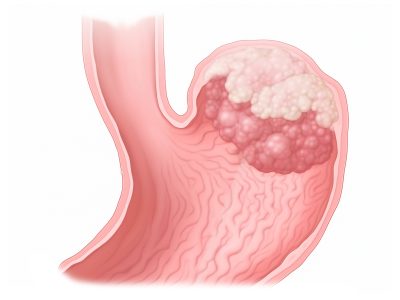
Gastric cancer is a tumor which starts as a growth in your stomach. Cancer is a group of many related diseases that begin in cells, the building blocks of the body. Normally, cells grow and divide to produce more cells only when the body needs them. Sometimes, cells keep dividing when new cells are not needed. These extra cells may form a mass of tissue called a growth or tumor. Tumors can be either benign ( not cancerous) or malignant ( cancerous). Cancer can begin in any organ or tissue of the body. The original tumor (where the tumor started...
Gastric-Cancer-1

Gastritis

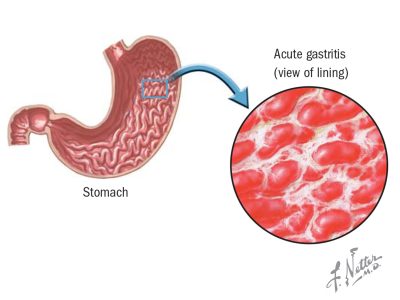
Gastritis is an infl ammation (swelling, redness) of the lining of the stomach. This common condition affects almost everyone at some point in life. Most cases are short-term and have no lasting effects....
Gastritis-1

Gastrointestinal Bleeding

Gastrointestinal (GI) bleeding is bleeding from the gut or any place between your mouth and anus. If bleeding is slow, you may be allowed to go home. If there is a lot of bleeding, hospitalization and observation are often required....
Gastrointestinal-Bleeding-1

Gastroparesis and Gastric Motility Disorders

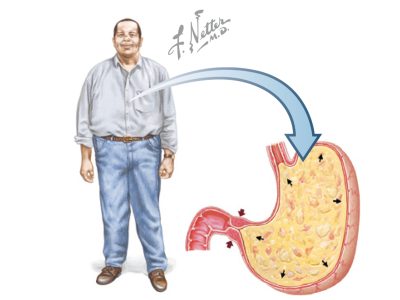
The stomach grinds food into small pieces and sends them to the small intestine. Gastric motility disorders include delayed gastric emptying (gastroparesis, meaning stomach paralysis), rapid gastric emptying (dumping syndrome), functional dyspepsia (indigestion), and cyclic vomiting syndrome. In gastroparesis, the stomach doesn’t work well. It doesn’t contract, crush food, or send food to the small intestine in a normal way. Food stays in the stomach too long. Digestion isn’t normal. Food can harden into solid chunks (bezoars) that may cause nausea and vomiting and block the stomach. Gastroparesis affects males and females of almost any age....
GASTROPARESIS-AND-GASTRIC-MOTILITY-DISORDERS-1

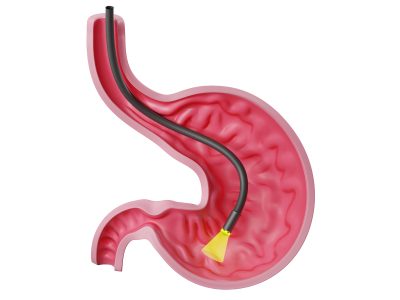
Gastroscopy

Gastroscopy is a procedure that allows your caregiver to look at your upper gastrointestinal tract directly and give more immediate diagnoses for a number of different problems. Some of the problems that can be evaluated or treated are as follows:
- Esophageal problems (the tube that carries food to the stomach).
- Gastric and peptic ulcers (gastric ulcer - in stomach; peptic ulcer - just past the stomach).
- Swallowing difficulties.
- Suspicion of cancer.
- To take tissue samples (biopsies).
- To control bleeding....
gastroscopy-3d

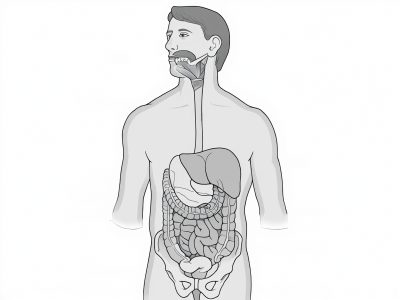
GI System

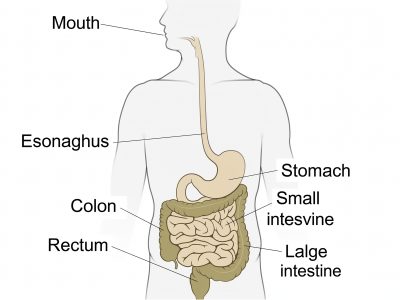
Pictures with the gastrointestinal system...
GI-system-1

Hiatal Hernia

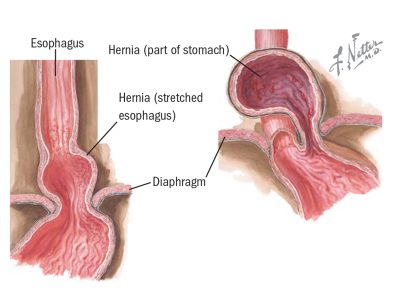
A hiatal hernia is a weakness or stretching of the digestive tract where it passes through the diaphragm. The diaphragm is the muscle separating the chest from the abdomen (belly). Because of this stretching, acid from the stomach may fl ow back into the esophagus (the tube that connects the mouth and stomach). This acid causes irritation. Part of the stomach may also come up through the opening into the lower chest. Hiatal hernias can affect people of all ages, but they are more common in people older than 50....
Hiatal-Hernia-1

Peptic Ulcer

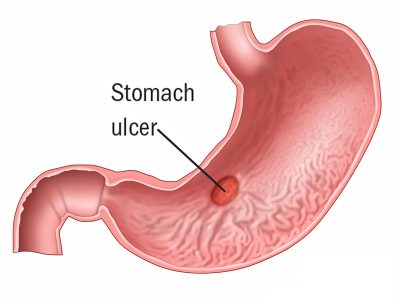
Peptic ulcers are small open sores in the stomach or upper intestine. Sores occur when the lining of the stomach or intestine breaks down and exposes tissue underneath. Ulcers may be gastric (stomach) or duodenal (fi rst 12 inches of the small intestine). Duodenal ulcers occur four times more often than gastric ulcers. Peptic ulcer disease (PUD) is common....
Peptic-ulcer-1

Post Total Gastrectomy

Refer to this sheet in the next few weeks. These discharge instructions provide you with general information on caring for yourself after you leave the hospital. Your caregiver may also give you specific instructions. Your treatment has been planned according to the most current medical practices available, but unavoidable complications sometimes occur. If you have any problems or questions after discharge, please call your caregiver. Patience and monitoring your diet are important to proper recovery. Recovery can take several months....
stomach-ultrasound-stomach-care-anatomy

Stomach Cancer

Stomach (gastric) cancer refers to a cancerous (malignant) growth in the stomach. These cancers occur in about 7 people per 100,000 in the United States. They are more common in Japan (more than 80 people per 100,000). Most cases are diagnosed in people older than 65....
Stomach-cancer-1

Total Gastrectomy

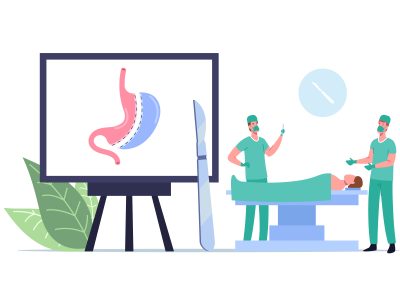
A total gastrectomy is the surgical removal of the entire stomach. It is typically done to treat cancer of the stomach. It may also be performed to treat severe ulcers, obstruction, or injury (trauma)....
total-gastrectomy

Μοιραστείτε το

Facebook
Twitter
Email

Learn how we helped 100 top brands gain success