Search

Χοληφόρα

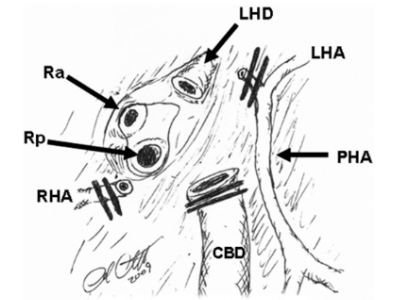
Bile Duct Injury (BDI) and Timing of Repair

Παρουσίαση με θέμα τις ιατρογενείς κακώσεις των εξωηπατικών χοληφόρων...
BDI-17

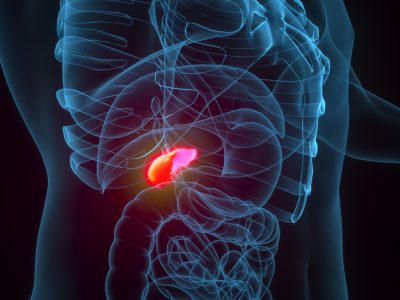
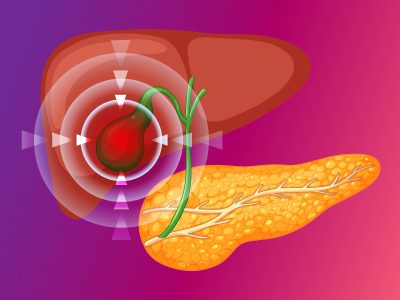
Cholecystitis

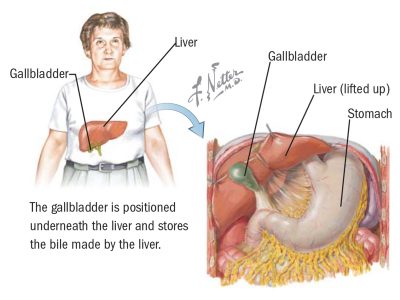
The gallbladder is a small sac located under the liver. It stores bile that the liver makes and squirts bile into the bowel (intestine) when a meal is eaten. Bile helps digest fats in the food. Cholecystitis is infl ammation of the gallbladder. It’s often called a gallbladder attack. Cholecystitis is usually caused by gallstones that get stuck in the duct (tube) that takes bile from the gallbladder to the bowel....
cholecystitis-gallbladder-gallstones

Common Bile Duct Stones

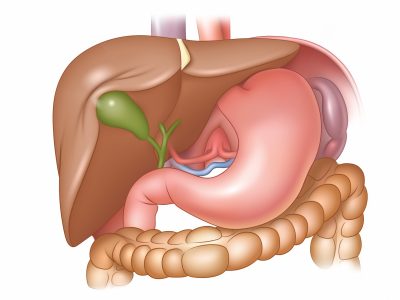
The gallbladder is located in the right side of the upper belly ( abdomen) under the liver. It stores bile from the liver until it is needed. Bile is made up of cholesterol, water, salts, fats, proteins, and waste product ( bilirubin). The common bile duct is the tube that carries bile from other ducts to the small intestine to help digest fats. Bile duct stones are stone-like pieces of material that form in the gallbladder and become lodged in the common bile duct. Stones may be present in the gallbladder as well as the bile duct. They can vary...
bile-duct-stones

Gallbladder Removal Laparoscopic Method

The surgery to remove the gallbladder is called a cholecystectomy (say "co-lee-sist-eck-toe-mee"). During traditional surgery, the gallbladder is removed through a 5- to 8-inch-long incision (cut) in your abdomen. The cut is made just below your ribs on the right side and goes to just below your waist. This is called an open cholecystectomy. A newer way to remove the gallbladder is called laparoscopic (say "lap-are-oh-skop-ick") cholecystectomy. During this surgery, a laparoscope (a small, thin tube with a camera on the tip of it that is used to see the inside of your body) is used to remove the gallbladder....
gallbladder-removal

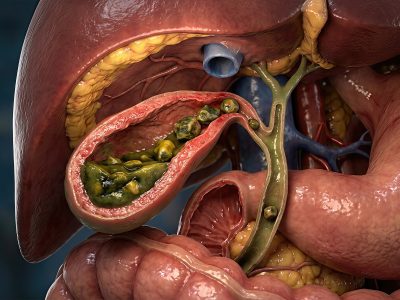
Gallstones

Gallstones are solid deposits of cholesterol and other substances in bile that develop because the levels of these chemicals become unbalanced. The gallbladder is a small sack located underneath the liver. It stores bile that the liver makes and squirts the bile into the bowel (intestine) when a meal is eaten. Bile helps digest fats in the food. Under certain conditions, the gallbladder can form gallstones (cholelithiasis). Gallstones are common: up to 20% of men and 40% of women get gallstones. More women get gallstones because of the effects of estrogen (a female hormone) on bile. Being overweight, aging, and...
Gallstones-1

Laparoscopic Cholecystectomy

Laparoscopic cholecystectomy is surgery to remove the gallbladder. The gallbladder is located slightly to the right of center in the abdomen, behind the liver. It is a concentrating and storage sac for the bile produced in the liver. Bile aids in the digestion and absorption of fats. Gallbladder disease ( cholecystitis) is an inflammation of your gallbladder. This condition is usually caused by a buildup of gallstones ( cholelithiasis) in your gallbladder. Gallstones can block the flow of bile, resulting in inflammation and pain. In severe cases, emergency surgery may be required. When emergency surgery is not required, you will...
cholecystectpmy-image

Magnetic Resonance Cholangiopancreatography

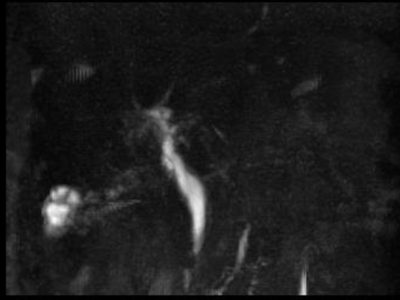
Magnetic resonance cholangiopancreatography (MRCP) is a procedure that lets a radiologist see and assess specific organs in your belly ( abdomen). A radiologist is a doctor specializing in x-ray and imaging tests.
This procedure helps detect diseases, stones or possible cancers affecting these organs. A MRCP does not need a dye that is injected into the vein ( contrast material). The scan does not require instruments, injections or drugs that help you sleep ( anesthesia)....
mrcp-5

Post Laparoscopic Cholecystectomy

Refer to this sheet in the next few weeks. These instructions provide you with information on caring for yourself after your procedure. Your caregiver may also give you more specific instructions. Your treatment has been planned according to current medical practices, but problems sometimes occur. Call your caregiver if you have any problems or questions after your procedure....
Post-Laparoscopic-Cholecystectomy-1

Μοιραστείτε το

Facebook
Twitter
Email

Learn how we helped 100 top brands gain success