Search

Περιτοναϊκή κοιλότητα

Adult Soft Tissue Sarcoma Treatment (PDQ®) – National Cancer Institute

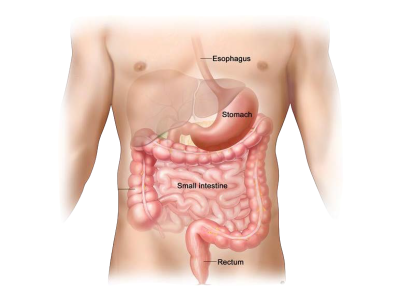
The gastrointestinal (GI) tract is part of the body’s digestive system. It helps to digest food and takes nutrients (vitamins, minerals, carbohydrates, fats, proteins, and water) from food so they can be used by the body. The GI tract is made up of the following organs: Stomach, Small intestine and Large intestine (colon). Gastrointestinal stromal tumors (GISTs) may be malignant (cancer) or benign (not cancer). They are most common in the stomach and small intestine but may be found anywhere in or near the GI tract. Some scientists believe that GISTs begin in cells called interstitial cells of Cajal (ICC),...
adult-soft-tissue-sarcomaPDQ

Laparotomy, Exploratory or Staging

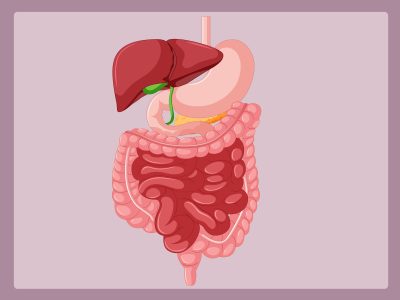
A laparotomy is a cut ( incision) into the belly ( abdominal cavity). In spite of modern x-rays, laboratory, and other diagnostic studies, the belly sometimes needs to be opened. This helps the caregiver to look and learning what is wrong. The caregiver can use different incisions depending on what will give him or her the best possible look into the abdomen....
abdomen-anatomy

Lysis of Adhesions

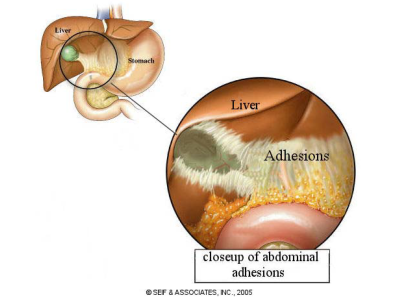
Adhesions are internal scars that may lead to troubling side effects. They are bands of scar tissue that can occur anywhere in the body but are usually formed within the abdomen or pelvis. When adhesions are formed, they can cause problems in the normal function of the organs. This scar tissue can cause abnormal "sticking" together of two surfaces. This kind of scar can also "squeeze" an organ and cause a blockage. Adhesions can develop after surgery and may also form as a result of an inflammation or infection...
Lysis-of-Adhesions-1

Pelvic Abscess

An abscess is a walled-off collection of pus caused by an infection that can occur in any part of the body. Pelvic abscesses occur in the pelvis. They can be a complication of a hysterectomy or childbirth. They are seen in about one third of women admitted to the hospital with pelvic infl ammatory disease (PID). It occurs most frequently in women between 30 and 40 years old....
Pelvic-abscess-1

Pelvic organ prolapse

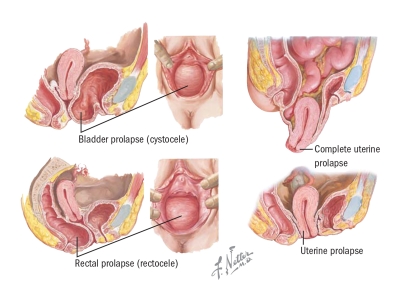
The uterus, bladder, and rectum near the vaginal canal can push through (prolapse) into this canal. A bulging uterus is called uterine prolapse. A bladder prolapse is a cystocele. A prolapsed rectum is a rectocele. The prolapsed organ can cause tissue to bulge out of the vagina. Women may fi rst notice something like a ball of tissue coming out of the vagina. Most rectoceles occur in women. Rarely, men may have rectoceles....
Pelvic-organ-prolapse-1

Μοιραστείτε το

Facebook
Twitter
Email

Learn how we helped 100 top brands gain success