Search

Παχύ έντερο

Θεραπεία και Πρόγνωση Καρκίνου Παχέος εντέρου και Ορθού (Colorectal cancer, CRC) (ΚΠΕ-Ο) [για ιατρούς]

Ο καρκίνος του παχέος εντέρου και του ορθού (ΚΠΕ-Ο) είναι μια συχνή και θανατηφόρα ασθένεια, αν δεν υπάρξει θεραπεία. Εκτιμάται ότι περίπου 132.700 νέες περιπτώσεις ΚΠΕ-Ο διαγιγνώσκονται ετησίως στις ΗΠΑ (93.090 περιπτώσεις ΚΠΕ και 39.610 καρκίνου του ορθού(ΚΟ)). Περίπου 49.700 Αμερικανοί αναμένεται να πεθάνουν από ΚΠΕ-Ο κάθε χρόνο (8% των θανάτων από καρκίνο). Αν και η θνησιμότητα της νόσου έχει μειωθεί σταδιακά από το 1990, σε ποσοστό περίπου 3% ετησίως τα τελευταία 15 χρόνια, εξακολουθεί να παραμένει η τρίτη πιο κοινή αιτία θανάτου από καρκίνο στις Ηνωμένες Πολιτείες...
kpe-general-image

Colorectal cancer screening 2015

Κατευθυντήριες Οδηγίες Διαλογής (Screening) για τον Κολο-ορθικό Καρκίνο....
Colorectal-cancer-screening-2015-1

Cancer of the Colon Treatment by Resection

Please read the instructions outlined below and refer to this sheet in the next few weeks. These discharge instructions provide you with general information on caring for yourself after you leave the hospital. Your caregiver may also give you specific instructions. While your treatment has been planned according to the most current medical practices available, unavoidable complications occasionally occur. If you have any problems or questions after discharge, please call your caregiver....
nurse-home-old-woman-with-clipboard-discussion-explain-with-retirement-health-flare-caregiver-medical-service-mature-person-with-patient-info-consulting-documents-insurance

Colon Cancer Screening and Prevention

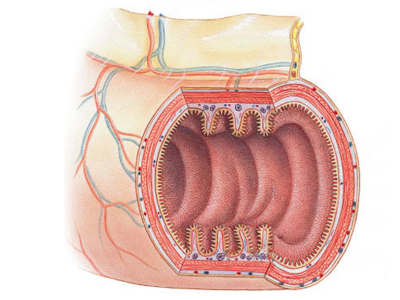
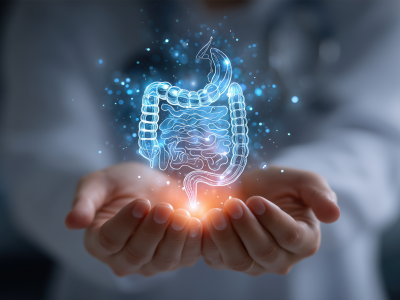
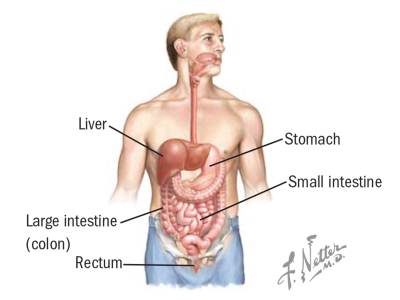
The colon is part of the digestive system. Food moves from the mouth to the stomach. Several hours later, it moves into the intestines, fi rst the small intestine and then the large intestine. After digestion of food is fi nished, what’s left leaves the body as waste (stool) through the rectum. The colon is the last part of the large intestine, just before the rectum....
doctor-holding-glowing-illustration-human-colon-suggesting-health-medical-research

Colon Cancer

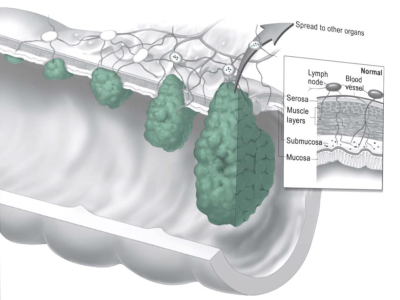
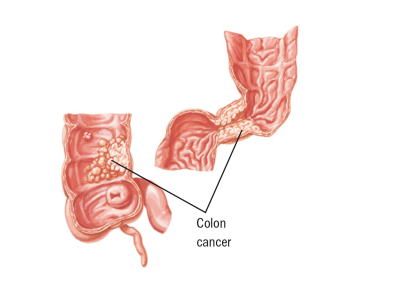
Food that is swallowed goes from the stomach into the small intestine and then the large intestine. What’s left after food is digested leaves the body as waste (stool) through the rectum. The colon is the last part of the large intestine, just before the rectum. Colon cancer is a tumor of the large intestine, often the lower rectum and sigmoid colon but can also invovle the beginning (cecum). It’s also called colorectal cancer or adenocarcinoma of the colon. It’s the most common cancer of the digestive tract. Colon cancer usually starts as a small growth, called a polyp, on...
Colon-cancer-1

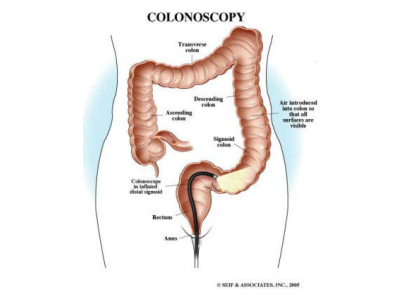
Colonoscopy

A colonoscopy is an exam to evaluate your entire colon. In this exam, your colon is cleansed. A long fiberoptic tube is inserted through your rectum and into your colon. The fiberoptic scope ( endoscope) is a long bundle of enclosed and very flexible fibers. These fibers transmit light to the area examined and send images from that area to your caregiver. Discomfort is usually minimal. You may be given a drug to help you sleep ( sedative) during or prior to the procedure. This exam helps to detect lumps ( tumors), polyps, inflammation, and areas of bleeding. Your caregiver...
Colonoscopy-1

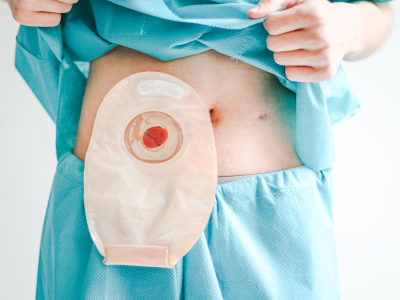
Colostomy Home Guide

A colostomy is an opening for stool to leave your body when a medical condition prevents it from leaving through the usual opening ( rectum). During a surgery, a piece of large intestine ( colon) is brought through a hole in the abdominal wall. The new opening is called a stoma or ostomy. A bag or pouch fits over the stoma to catch stool and gas. Your stool may be liquid, somewhat pasty, or formed....
young-caucasian-patient-blue-disposable-medical-pajamas-shows-with-his-hands-colostomy-bag-his-stomach

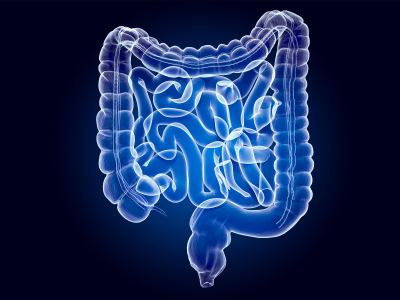
Constipation

Constipation is having bowel movements less frequently than usual. There is no normal number of bowel movements per week for everyone. Some people move their bowels three times daily and others do it once every 3 days. What is more important as far as colon cancer is if there is a change in bowel movement, frequency, and consistency of the stool....
human-intestines-xray-hologram-3d-rendering

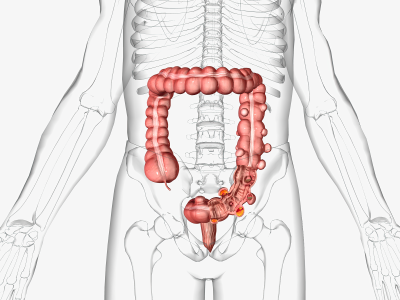
Diverticular Disease

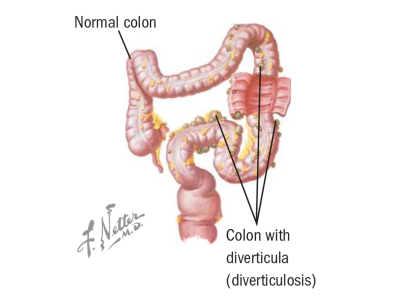
Diverticular disease is a disorder of the large intestine (colon). The colon is the last part of the digestive tract. Food passes through it just before waste leaves the body as a bowel movement (stool). In diverticular disease, parts of the colon wall are weak. These weak places can puff out like small sacs (diverticula). Each sac is called a diverticulum. These parts can become swollen (inflamed) and even infected. Diverticulosis refers to the presence of diverticula in many places. Diverticulitis is the name for the disorder when diverticula become inflamed or infected. Diverticular disease can develop if food moves...
diverticulosis-occurs-when-small-bulging-pouches-develop-your-digestive-tract

Diverticulitis

The large intestine (colon) is the last part of the digestive tract. Food passes through it just before waste leaves the body as a bowel movement (stool). In diverticular disease, parts of the colon wall are weak. These weak places can puff out like small sacs (diverticula). Each sac is called a diverticulum. These parts can become red and swollen (infl amed) and infected. Diverticulitis is the disorder when diverticula become infl amed and infected. Diverticulitis can be a minor infl ammation or a serious infection. Diverticulitis occurs in about half of people who have diverticuli. About 3 cases per...
Diverticulitis-1

Diverticulosis

The large intestine (colon) is the last part of the digestive tract. Food passes through it just before waste leaves the body as a bowel movement (stool). In diverticular disease, parts of the colon wall are weak. These weak places can puff out like small sacs (diverticula). Each sac is called a diverticulum. These parts can become red and swollen (infl amed) and infected. Diverticulosis refers to the presence of diverticula in many places. Most often, diverticuli occur in the lower part of the colon (sigmoid and distal colon) near the rectum. The condition is a lifelong problem. Up to...
Diverticulosis-1

Irritable Bowel Syndrome

IBS is a common digestive disorder that affects about 20% of people in the United States, mostly women. It affects how the large intestine (colon) works. Food moving through the digestive tract passes from the small intestine to the colon. The main function of the colon is to absorb water. Muscles in the colon usually contract in a way that pushes stool (waste products) through. In IBS, these muscle contractions may be abnormal. Too many contractions may cause diarrhea. Slowed or fewer contractions may cause constipation. Irregular or intermittent (spasmodic) muscle contractions may cause pain or a feeling of urgent...
Irritable-bowel-syndrome-1

Μοιραστείτε το

Facebook
Twitter
Email

Learn how we helped 100 top brands gain success