Search

Μαστός

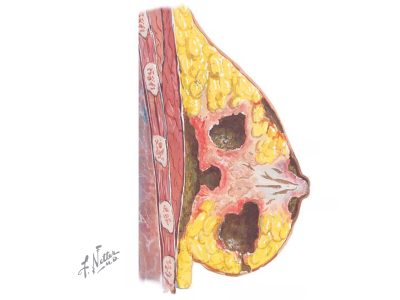
Breast Abscess

What Are Breast Abscesses?
An abscess is a pocket containing pus that can occur in any part of the body. Breast abscess refers to an infl ammation (swelling, redness) that results in such a collection of pus in the breast.
What Causes Breast Abscesses?
Bacteria most often cause breast abscesses. The most common types of bacteria are named Staphylococcus aureus and Streptococcus. Sometimes anaerobic bacteria (which grow without oxygen) can cause breast abscesses. Breast abscesses usually occur in women of childbearing age. About 10% to 30% of all breast abscesses occur after pregnancy, when nursing mothers breastfeed newborns. Nursing mothers...
Breast-Abscess-1

Breast Cancer Male

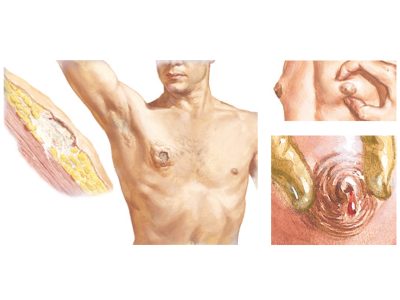
Male breast cancer is rare. It accounts for about 1% of all breast cancers, with about 2000 cases diagnosed each year. It’s most common in men 60 to 70 years old and most often occurs as a type of breast cancer known as infiltrating ductal carcinoma. Greater risk of having breast cancer is related to radiation exposure, high estrogen levels, and family history of breast cancer. Abnormal breast cancer genes (BRCA1 or BCRA2) can increase risk, as can liver disease, being overweight, and drinking alcohol in excess. Survival for men is similar to that for women with the same cancer...
Breast-cancer-male-1

Breast Cancer – Screening and Prevention

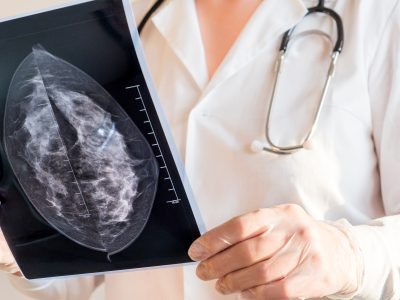
Breast cancer is abnormal growth of cells in the breast (ducts, lobules, or other tissues). It is the most common cancer in women in the United States. It is the second most common cause of cancer-related death in women, and the main cause of death in women aged 45 to 55. Each year, about 200,000 American women are diagnosed with breast cancer, and more than 40,000 die of this disease. Breast cancer occurs 100 times more often in women than in men. Even though the number of new cases of breast cancer is rising, the death rate dropped about 20%...
female-doctor-mammography-x-ray

Breast Cancer

Breast cancer is one of the most common cancers in women in the United States. It’s the second most common cause of cancer death in women, and the main cause in women 45 to 55 years old. The death rate has decreased in the past 20 years, partly because better screening catches the disease earlier, so chances of recovery and cure are higher....
young-woman-breast-cancer

Breast Pain

What Is Breast Pain?
Mastodynia is the medical term for breast pain. Pain can be cyclic or noncyclic, depending on whether it occurs with each period (cyclic) or not. Cyclic pain usually occurs in young women who haven’t gone through menopause (change of life). Noncyclic pain occurs more in women older than 40....
breast-pain-female-cancer

Mammogram Tips

Healthy women should begin getting mammograms every year or two once they reach age 40, and once a year when they reach age 50. Here are tips:
- Find an experienced, high-volume center with accomplished radiologists. You can ask for their credentials.
- Use the same center regularly, so it is easier to compare your new mammograms with your old ones.
- Bring a list of places you have had mammograms, dates, biopsies or other breast treatments. Bring old mammograms with you or have them sent to your primary caregiver....
mammographu

Mammography Information

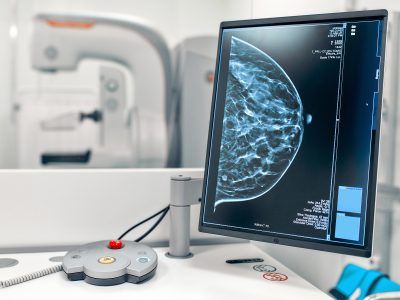
A mammography is a procedure that uses x-rays to make pictures of breast tissue. Mammography is suggested to screen for breast cancer in women over 40 years of age. It will help find the cause of breast lumps. If you are over 50, or have a family history of breast cancer, you are at increased risk of developing breast cancer. Arrive at the hospital 60 minutes early to check in or as directed....
mammogram-breasts-female-monitor-with-undergoing-mammography-test-background-mammography-test-hospital-medical-equipment

Mammography Screening Recommendations

Women ages 40 to 49 should get screening mammograms every one to two years if they are at average risk for breast cancer. For women 50 years and older, mammograms are recommended every one to two years. Women who are at higher than average risk should start mammography before age 40. They should also find out how often they should get screened in their 40's and 50's....
cancer-prophylactic-mammography-scan

Mammography with Breast Implants

Mammography (or mammogram) is a noninvasive procedure that takes an X-ray of your breast. A mammogram can find abnormalities in your breast such as tumors (benign or cancerous) and cysts. However, women with breast implants may have problems during the mammogram. Their implants may interfere with the reading and evaluation of the findings on the X-ray....
woman-chest

Mastectomy with or without reconstruction

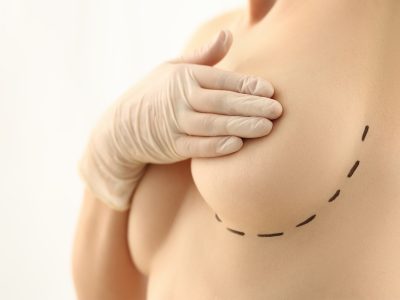
Mastectomy (removal of the breast) is a procedure most commonly used to treat cancer (tumor) of the breast. Different procedures are available for treatment. This depends on the stage of the tumor (abnormal growths). Discuss this with your caregiver, surgeon (a specialist for performing operations such as this), or oncologist (someone specialized in the treatment of cancer). With proper information, you can decide which treatment is best for you. Although the sound of the word cancer is frightening to all of us, the new treatments and medications can be a source of reassurance and comfort. If there are things you...
woman-covering-breasts-with-black-surgical-lines

Paget’s Disease of the Breast

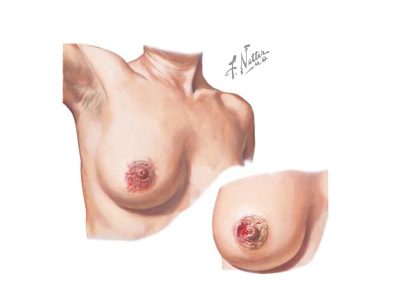
Paget’s disease of the breast is a rare breast cancer. It usually affects the nipple and the area below. This disease, like other breast cancer, spreads to lymph glands (nodes) nearby and then through the blood stream to other parts of the body, such as bones, lungs, and liver. The cancer is curable if found early, before it spreads....
Paget's-Disease-of-the-Breast-1

Post Mastectomy with or without Reconstruction

Mastectomy With or Without Reconstruction.
Care After
Please read the instructions outlined below and refer to this sheet in the next few weeks. These discharge instructions provide you with general information on caring for yourself after you leave the hospital. Your caregiver may also give you specific instructions. While your treatment has been planned according to the most current medical practices available, unavoidable complications occasionally occur. If you have any problems or questions after discharge, please call your caregiver....
woman-cancer-awareness-ribbon

Μοιραστείτε το

Facebook
Twitter
Email

Learn how we helped 100 top brands gain success