Search

Ήπαρ

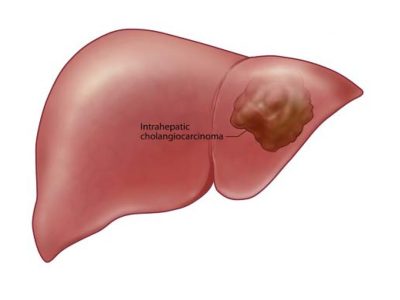
Bile Duct Cancer (Cholangiocarcinoma)

Cholangiocarcinoma is a cancer that arises from the cells within the bile ducts; both inside and outside the liver. When the tumors arise within the liver, the tumors can be small or large. The terms cholangiocarcinoma and bile duct cancer are often used interchangeably. This form of cancer is slightly more common in males than females and usually affects patients who are between 50-70 years of age....
Johns-Hopkins--Bile-Duct-Cancer-(Cholangiocarcinoma)-1

Portal Vein Embolization

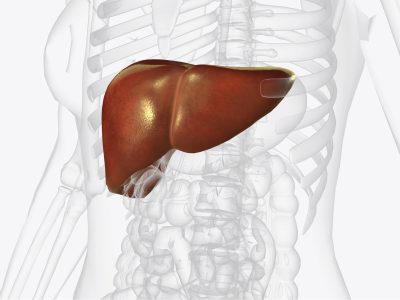
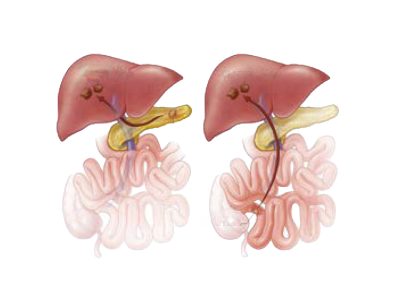
The liver is a unique organ because it can hypertrophy (“re-grow”) after part of it has been removed. However, the body does require that a minimum amount of liver be left behind following surgery in order to give the body enough time for this re-growth to occur. In some circumstances, the tumor in the liver is so large, that a large amount of liver would need to be removed so that all the disease can be taken out. In these circumstances, physicians at Johns Hopkins Medicine can utilize portal vein embolization to help the liver re-grow before the surgery. Patients...
vein--embolization

Benign Liver Tumors and Cysts

There are several common types of benign liver tumors and cysts:
Focal nodular hyperplasia (FNH)
These masses are typically found during a routine examination. When a diagnosis of FNH has been made, your physician will probably recommend taking a wait and see approach with these types of benign tumors. You will be monitored using imaging scans like CT or MRI. If the focal nodular hyperplasia does not grow, then your physician may recommend no further treatment or monitoring....
liver-blood-filtering

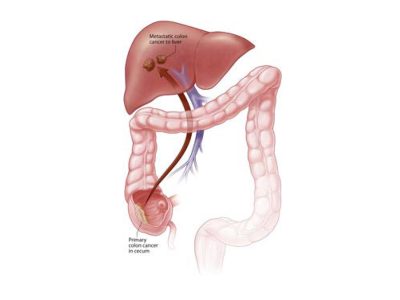
Colorectal Liver Metastasis

Colorectal liver metastasis is Stage IV cancer that did not start in the liver, but instead has spread there from the colon or rectum. Colorectal cancer is one of the most common cancers in the United States. When colon or rectal cancer has spread to the liver, it is a serious disease; however, patients can still be cured if treated appropriately....
Colorectal-Liver-Metastasis-2

Gallbladder Cancer

The gallbladder is a pear-shaped organ located just under the liver. The gallbladder functions as storage place for bile, a fluid made by the liver that helps to digest fats. Bile is released from the gallbladder through the common bile duct and mixes in the stomach and intestines as food is broken down through digestion....
gallbladder-canc

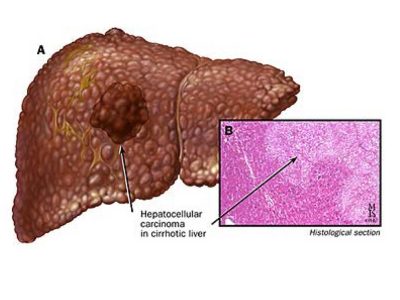
Liver Cancer (Hepatocellular Carcinoma)

Liver cancer is a primary cancer, meaning that it originated in the liver. (As opposed to liver metastases, or secondary liver cancers, which have spread to the liver from other organs.) Liver cancer is responsible for more than 12,000 deaths a year in the United States and is being diagnosed more frequently. It is more common in men than women and in African Americans than whites. It is commonly associated with cirrhosis and hepatitis. Other risk factors can include a history of alcohol use....
Hepatocellular-Carcinoma-(HCC)-1

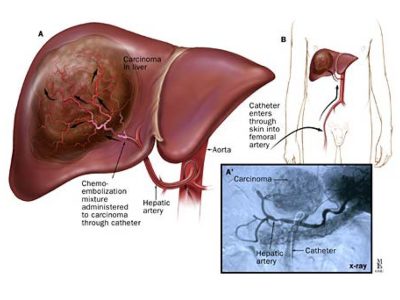
Intra-arterial Therapies

Intra-arterial therapies are treatments that are delivered to the liver tumor using a catheter. Most intra-arterial therapies are administered by threading a catheter from an artery in your groin directly up into your liver. Your physician places the catheter directly into the blood vessel that is “feeding” the tumor. Intra-arterial treatment delivers a therapy that kills the tumor directly but does not subject your whole body to adverse side effects....
Intra-arterial-Therapies-1

Liver Resection Surgery

Our experts at the Johns Hopkins Medicine Liver Tumor Center have adopted a sophisticated approach towards the surgical removal of liver tumors, called liver resection. At Johns Hopkins Medicine, patients who may have been told that their tumors cannot be removed are evaluated by our multidisciplinary team and are sometimes found to actually be good candidates for surgery. With better chemotherapy, imaging and surgical techniques, a patient’s tumor that was previously thought not to be removable can sometimes be surgically removed and with excellent results....
Liver-Resection-Surgery-(Tumor-Removal)-2

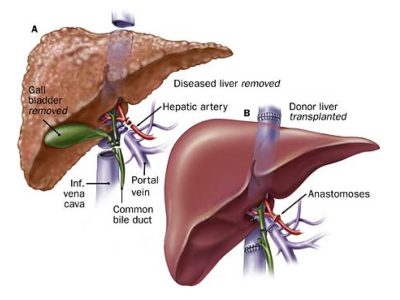
Liver Transplantation

In some patients with liver cancer (hepatocellular carcinoma) and cirrhosis, the treatment of choice may be liver transplantation. Whether a patient is a candidate for resection or transplantation depends on a number of factors including the health of your liver, as well as the extent of your liver cancer. In general, only patients with early liver cancer (small tumors and/or few masses) are candidates for liver transplantation....
Liver-Transplant-1

Neuroendocrine/Carcinoid Tumors

Neuroendocrine/carcinoid tumors are cancers, but are not the same as other cancers like colorectal or hepatocellular tumors. They are relatively rare tumors and are best managed in centers with extensive expertise. Neuroendocrine tumors may arise in various places, most commonly the pancreas. One specific type of neuroendocrine tumor is a carcinoid tumor. Carcinoid tumors can occur in the appendix, small intestine, rectum, or lung....
Neuroendocrine_Carcinoid-Tumors-1

Other Liver Metastases

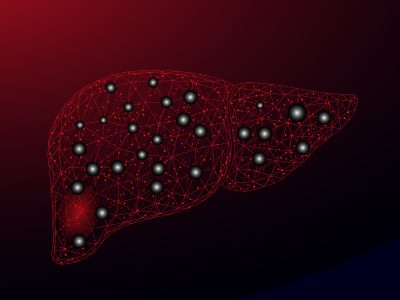
Cancerous tumors in the liver often occur because the patient has another type of cancer that has spread to the liver. This is called secondary liver cancer, or liver metastasis, and it’s actually more common than primary liver cancer (which originates in the liver)....
liver-cancer

Radiofrequency Ablation (RFA)

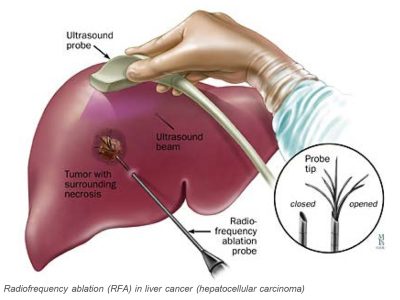
Radiofrequency ablation (RFA) is a technique that makes use of a “heating” probe to destroy tumors within the liver. With this approach, the tumor is completely destroyed by heating the tumor with an alternating radiofrequency electrical current rather than surgically removing it. RFA is generally indicated for small tumors within the liver and can be applied with minimal side effects. Radiofrequency ablation can be used alone or in conjunction with liver resection. Sometimes when patients have multiple tumors, some of the tumors may be surgically removed while the remaining disease is treated with RFA....
Radiofrequency-Ablation-(RFA)

Μοιραστείτε το

Facebook
Twitter
Email

Learn how we helped 100 top brands gain success