Search

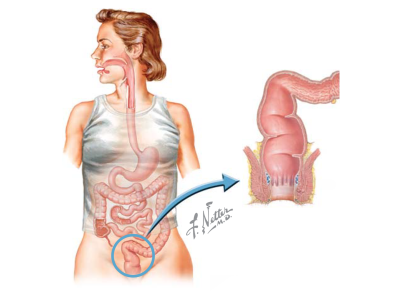
Ορθό και πρωκτός

Anal Fistula

An anal fistula is an abnormal tunnel that leads from the anal canal (which carries stool from the large intestine) to a hole in the skin near the anus (the opening through which stool passes out of your body).
CAUSES
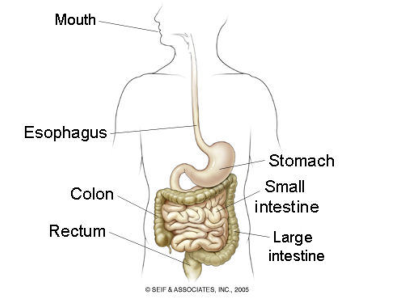
Food you eat goes from your stomach into your intestine. As the food is digested, waste material ( stool) forms. Stool passes through your large intestine, through the rectum and anal canal, and out of your body through the anus....
medical-with-blood-stool

Anal Itching

Itching around the anus is a common problem. It is usually not dangerous. It often is caused by skin irritation from stool, moisture, soaps, or clothing. Other causes are pinworms, especially if the itching is worse at night. In adults, the itching may be due to hemorrhoids. In some cases, the cause is unknown. Itching usually can be controlled by keeping the anal area clean and dry....
anal-itch

Bloody Stools

Bloody stools often mean that there is a problem in the digestive tract. Your caregiver may use the term "melena" to describe black, tarry, and bad smelling stools or "hematochezia" to describe red or maroon-colored stools. Blood seen in the stool can be caused by bleeding anywhere along the intestinal tract. A black stool usually means that blood is coming from the upper part of the gastrointestinal tract (esophagus, stomach, or small bowel). Passing maroon-colored stools or bright red blood usually means that blood is coming from lower down in the large bowel or the rectum. However, sometimes massive bleeding...
Bloody-Stools-1

Hemorrhoids

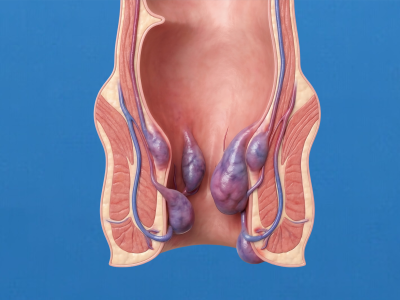
Hemorrhoids (also called piles) are infl amed, swollen blood vessels located in and around the anus and lower rectum. These vessels can stretch under pressure, like varicose veins in the legs. Hemorrhoids are either inside the anus (internal) or under the skin around the anus (external). About 50% of the adult population of the United States, both men and women, have hemorrhoids. Hemorrhoids aren’t usually dangerous or life-threatening. They aren’t contagious....
hemorrhoidal-rectal-anatomy

Perirectal Abscess

The rectum is the last part of the large intestine, where stools (bowel movements) are stored before leaving the body through the anal canal and anus. When the rectal space (the perirectal space) and glands in the rectum that make mucus are infected by bacteria, small hollow cavities or holes that fi ll with pus form. These collections of pus-fi lled cavities in this area are called perirectal abscesses. Abscesses can also form around the anus and are called perianal abscesses. Anyone can have a perirectal abscess, but men get them more often than women....
Perirectal-abscess-1

Rectal Bleeding

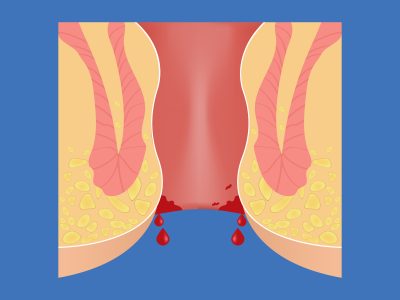
Rectal bleeding is when blood passes out of the anus. It is usually a sign that something is wrong. It may not be serious, but it should always be evaluated. Rectal bleeding may present as bright red blood or extremely dark stools. The color may range from dark red or maroon to black (like tar). It is important that the cause of rectal bleeding be identified so treatment can be started and the problem corrected....
blood-colon

Rectal Cancer

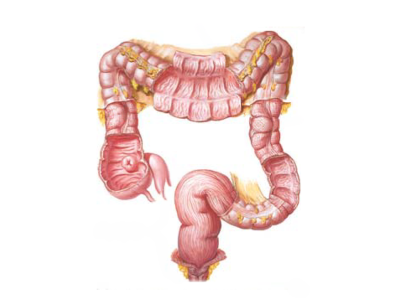
The rectum is part of the colon (large intestine) in the digestive tract. It’s the last 10 inches or so of the colon and ends at the anus, which is the opening to the outside. Rectal cancer is cancer that grows in the rectum. It tends to happen more with older age, especially in men, and usually grows slowly. Most of the time, it starts as a small growth called a polyp....
Rectal-cancer-1

Μοιραστείτε το

Facebook
Twitter
Email

Learn how we helped 100 top brands gain success