Search

Θυροειδής και παραθυροειδής

Graves Disease

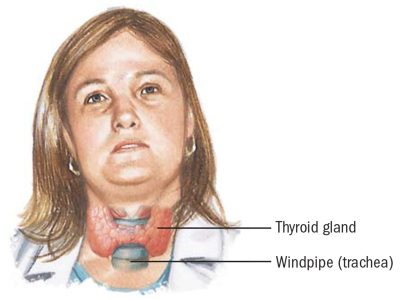
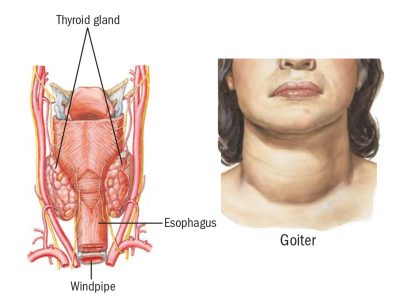
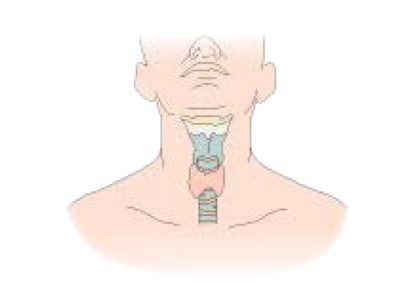
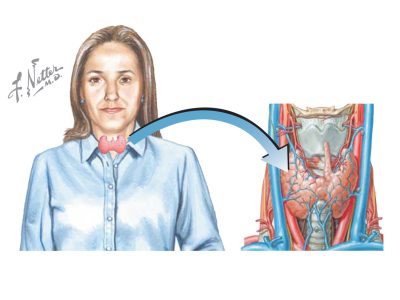
The thyroid is an important endocrine gland found in the front of the neck. It produces substances (hormones) that act on metabolism and control mood, weight, and energy. Graves’ disease is an autoimmune disease that is the most common cause of too much thyroid hormone being produced (hyperthyroidism). It can affect both sexes but affects primarily women. An autoimmune disease is one in which the immune system of the body attacks itself and destroys healthy organs or tissues....
Graves-Disease-1

Hyperthyroidism

Hyperthyroidism is an illness caused by a thyroid gland that’s too active. The thyroid gland is located in the neck and makes thyroid hormone. This hormone controls the rate at which the body works. Too much hormone causes symptoms of hyperthyroidism. Three times more women than men have an overactive thyroid....
Hyperthyroidism-1

Hypothyroidism

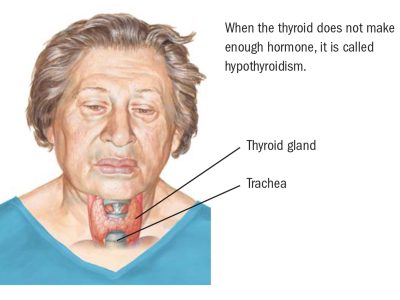
Hypothyroidism is a disorder of the thyroid gland, which is an endocrine gland in your neck located just below the Adam’s apple. The thyroid produces hormones (thyroxine or T4 and triiodothyronine or T3). These hormones affect how the body works (e.g., control metabolism). In hypothyroidism, the gland doesn’t make enough thyroid hormone. Hypothyroidism affects both sexes. It can occur at any age but is more common in adult women. Once a person has developed hypothyroidism, the condition is usually permanent....
Hypothyroidism-1

Parathyroidectomy

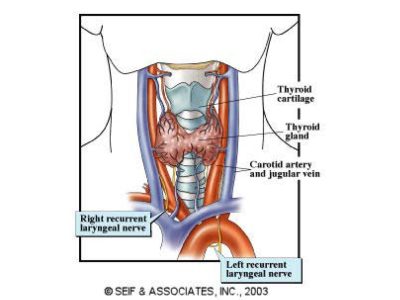
A parathyroidectomy is surgery to remove one or more parathyroid glands. These glands produce a hormone ( parathyroid hormone) that helps control the level of calcium in your body. The glands are very small, about the size of a pea. They are located in your neck, close to your thyroid gland and your Adam's apple. Most people (85%) have four parathyroid glands,some people may have one or two more than that....
thyroid-problems-medical-concept

Post Thyroidectomy

Refer to this sheet in the next few weeks. These instructions provide you with general information on caring for yourself after you leave the hospital. Your caregiver also may give you specific instructions. Your treatment has been planned according to the most current medical practices available, but problems sometimes occur. Call your caregiver if you have any problems or questions after your procedure....
Thyroidectomy-2

Thydoid Nodule

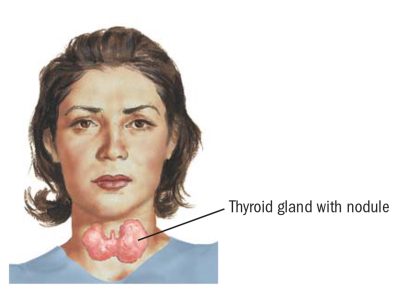
The thyroid gland lies in the neck. It is part of the endocrine system and produces a substance (thyroid hormone) that helps control metabolism. A thyroid nodule is a lump of tissue on this gland. Nodules may be caused by an infection, cyst, benign tumor, or malignant tumor of the thyroid. Most nodules are benign tumors or cysts fi lled with fl uid. Because some thyroid nodules are cancerous, all nodules should be examined....
Thydoid-nodule-1

Thyroid Cancer

The thyroid gland in the neck makes hormones that control metabolism. Cells in the thyroid gland are called follicular and parafollicular cells. Thyroid cancers are abnormal growths of these cells. These cancers start from either follicular cells (papillary, follicular, and anaplastic cancers) or parafollicular cells (medullary carcinoma). The papillary type is the most common. It occurs among young people. The follicular type occurs in older people. The medullary type can occur as isolated cancers or in families, as a hereditary form. The anaplastic type is aggressive and hard to treat. About 10,000 new thyroid cancers are diagnosed each year in...
Thyroid-cancer-1

Thyroidectomy

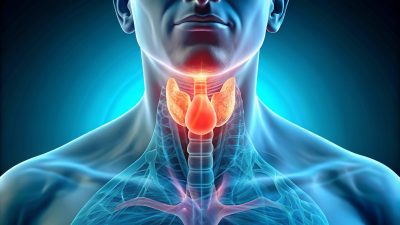
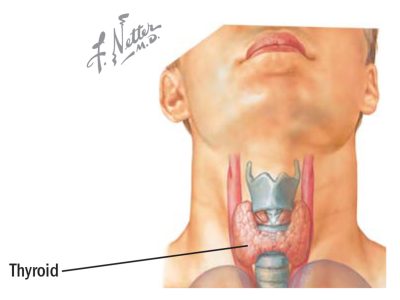
Thyroidectomy is the removal of part or all of your thyroid gland. Your thyroid gland is a butterfly-shaped gland at the base of your neck. It produces a substance called thyroid hormone, which regulates the physical and chemical processes that keep your body functioning and make energy available to your body ( metabolism). The amount of thyroid gland tissue that is removed during a thyroidectomy depends on the reason for the procedure. Typically, if only a part of your gland is removed, enough thyroid gland tissue remains to maintain normal function. If your entire thyroid gland is removed or if...
Thyroidectomy-1

Thyroiditis

The thyroid is a small gland in the middle of the neck and is important for controlling metabolism. Thyroiditis is infl ammation (swelling) of this gland. Infl ammation may result in an overactive gland (called hyperthyroidism) or underactive gland (called hypothyroidism). The most common type of thyroiditis is Hashimoto’s thyroiditis. About 10 times more women than men get it, up to 2% of women in the United States. Other types called subacute and silent thyroiditis can also result in an overactive thyroid. Postpartum thyroiditis occurs in women who were recently pregnant. Thyroiditis can lead to both overactive and underactive thyroid...
Thyroiditis-1

Μοιραστείτε το

Facebook
Twitter
Email

Learn how we helped 100 top brands gain success