Peripheral arterial disease
What Is Peripheral Arterial Disease (PAD)?
Peripheral arterial disease (PAD) refers to blockage of leg arter-
ies by atherosclerosis (hardening of the arteries), so legs have
poor blood fl ow. In atherosclerosis, cholesterol plaques block
arteries. PAD occurs in men and women equally. It likely affects
8 to 10 million people in the United States.
What Causes PAD?
Fatty deposits build up inside arteries and make them narrower.
Tobacco, diabetes, cholesterol, and high blood pressure make
PAD likely. PAD isn’t contagious or passed from parents to
children.
Venous Thromboembolism
Venous Thromboembolism
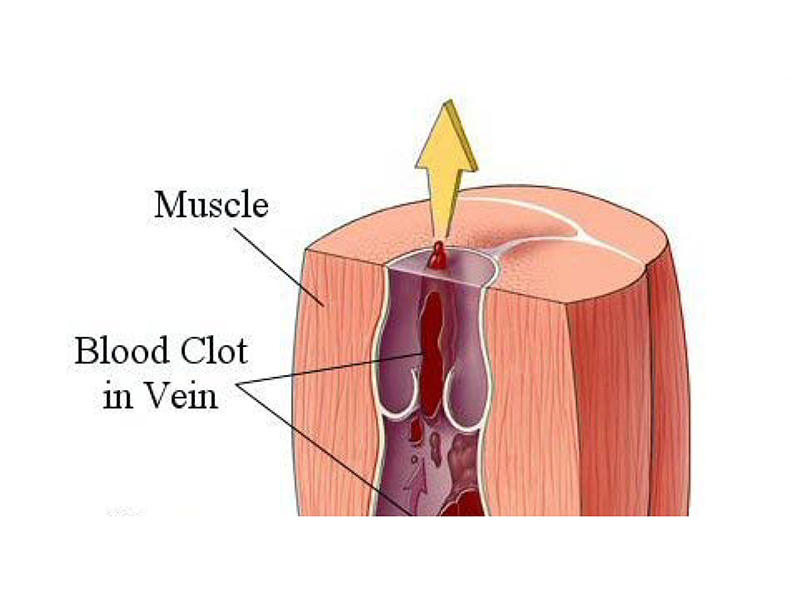
Venous thromboembolism (VTE) refers to blood clots that
form in veins. These clots usually form in the deep veins in the
legs, pelvis, or elsewhere, and can travel to the lungs. They can
also form in the lungs.
A blood clot in a deep vein is called a Deep Venous
Thrombosis (DVT). A blood clot in the lungs is called a
Pulmonary Embolism (PE).
Venous Thromboembolism, Prevention
Venous Thromboembolism, Prevention
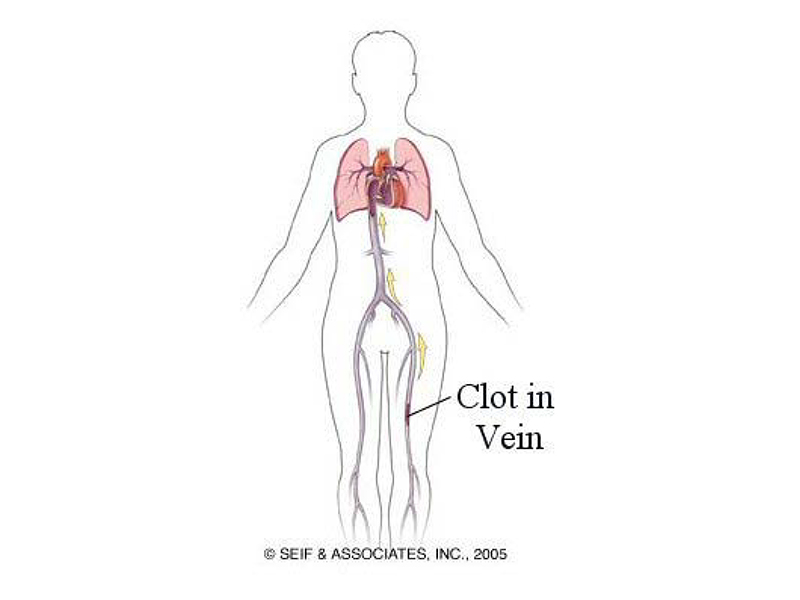
A venous thromboembolism is a blood clot that forms in a
vein. A blood clot in a deep vein is called a deep venous
thrombosis (DVT). A blood clot in the lungs is called a
pulmonary embolism (PE). Blood clots are dangerous and can
cause death. Blood clots can form in the Lungs, Legs and Arms.
CAUSES
Blood clots can form in a vein from not moving (immobility)
or poor blood circulation. When blood is not circulated well
and blood “pools” in a vein, clotting factors in the blood can
form a blood clot.
Varicose veins
What Are Varicose Veins?
Blood travels in vessels called arteries and veins. Arteries take
blood with oxygen and nutrients away from the heart to body
cells. Veins carry blood back to the heart after cells get the oxy-
gen and nutrients. Varicose veins are enlarged, twisted-looking
veins that lie close to the skin’s surface. They occur most often
in the legs. Leg muscles help support veins and push blood up
toward the heart. Valves in veins help stop blood from falling
down or pooling in the legs.
For many people, varicose veins are mostly a cosmetic
problem. For others, they cause symptoms and more serious
problems, such as blood clots, skin ulcers, or blood circulation
disorders.
Deep Vein thrombosis
What Is Deep Vein Thrombosis?
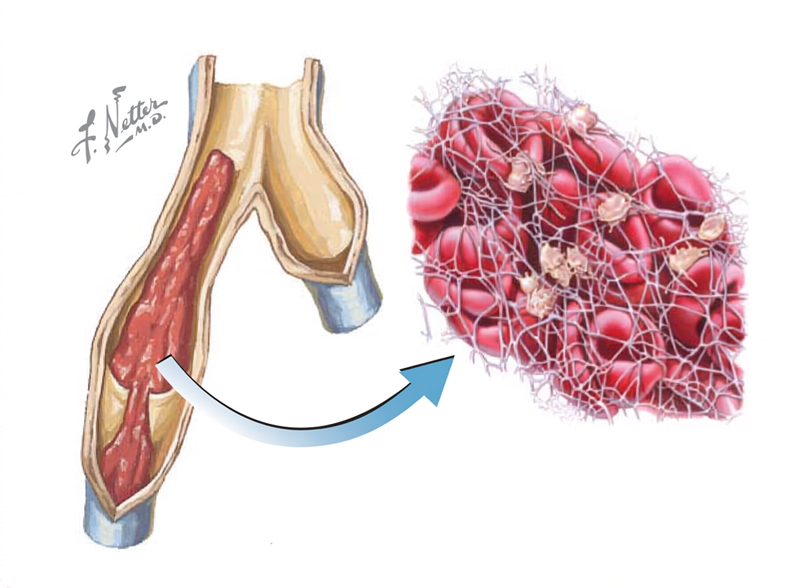
Deep vein thrombosis (DVT) is an illness that develops when
the blood clots in a vein. Affected veins are usually deep in leg
muscles but can also be in other areas. The clot (thrombus)
causes blood fl ow to slow. The area becomes swollen, red, and
painful. If the clot moves to the lungs, a pulmonary embolism
(blocked vein in the lungs) occurs and serious breathing prob-
lems can develop.
DVT most often affects people who are physically inactive,
elderly, pregnant, or have blood disorders that increase the risk
of blood clotting.
Abdominal aortic aneurysm
What Is an Abdominal Aortic Aneurysm?
An abdominal aortic aneurysm is a bulging of the aorta, the
main blood vessel that takes blood from the heart to organs and
tissues in the lower half of the body. The aorta is the largest
artery in the body, and a stretching or bulging in the aorta is
dangerous because this weakened area in the wall of the aorta
may split open (rupture) if not treated.
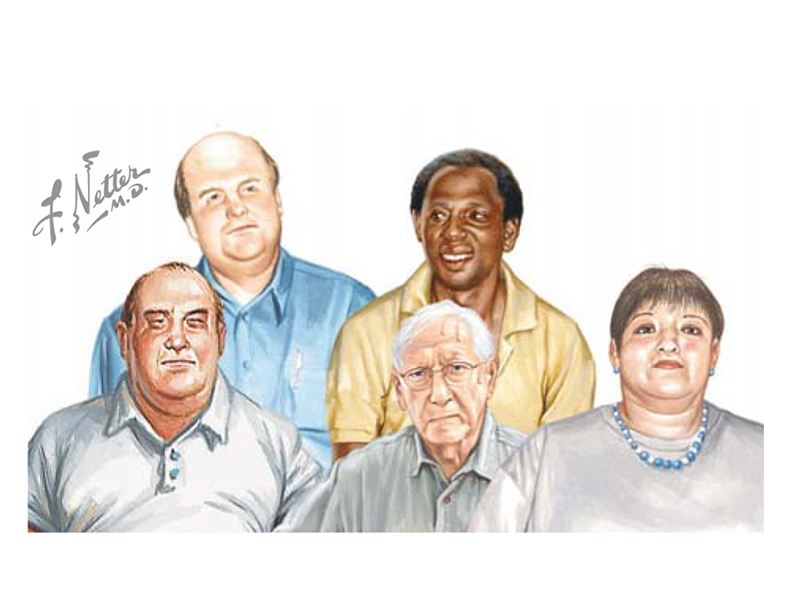
These aneurysms commonly occur in people older than 60
and affect men more than women. Ruptured aneurysms are the
10th leading cause of death in men older than 55 in the United
States.